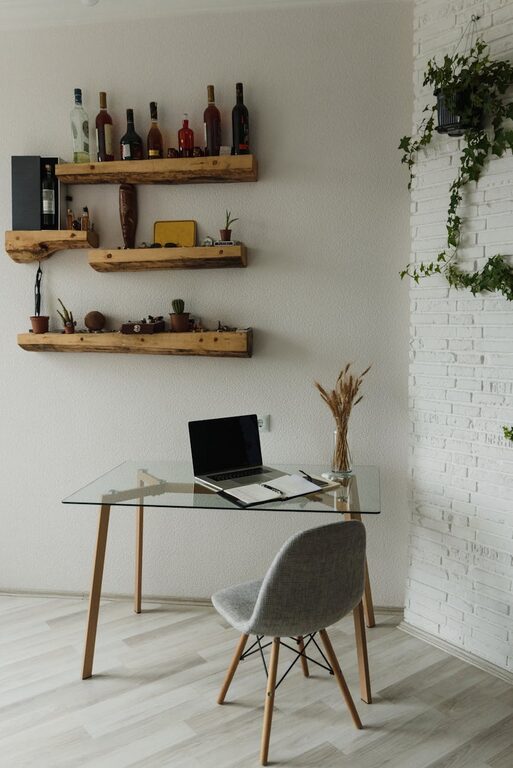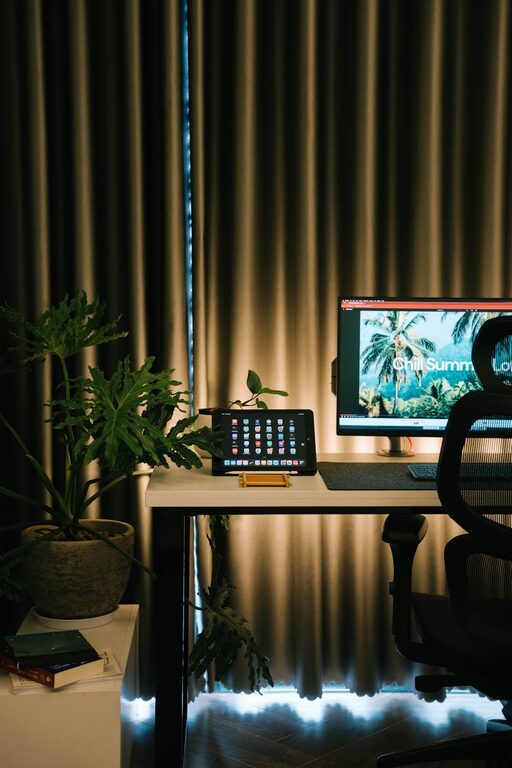
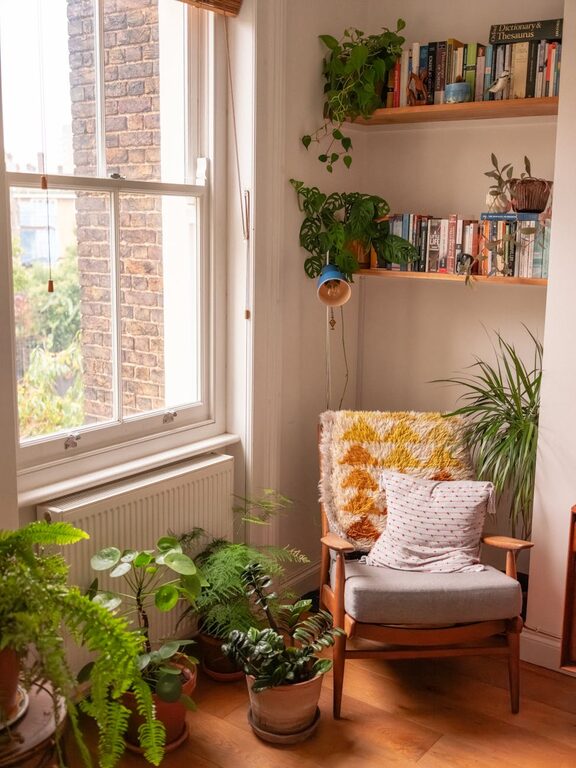
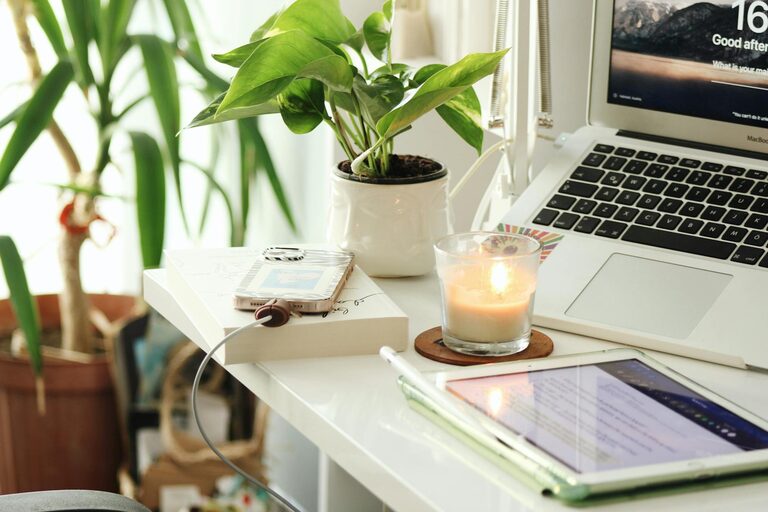
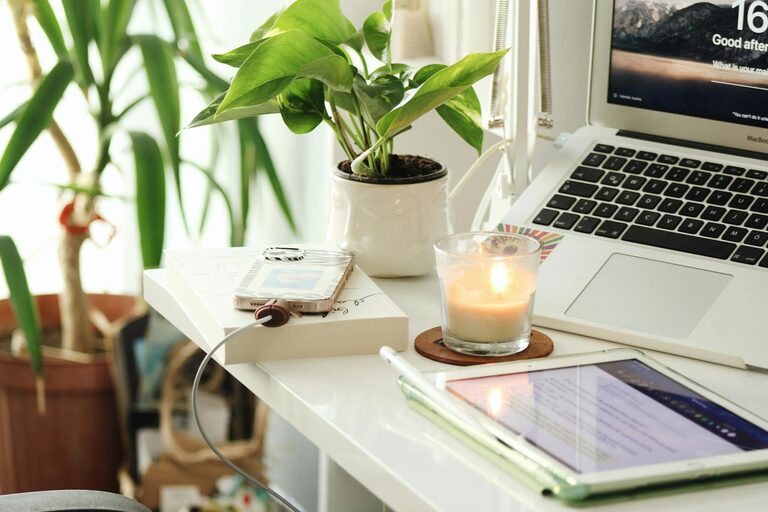
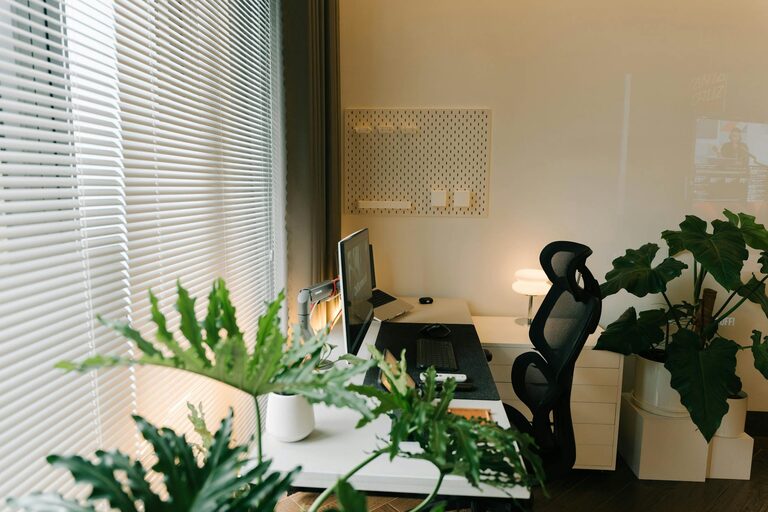
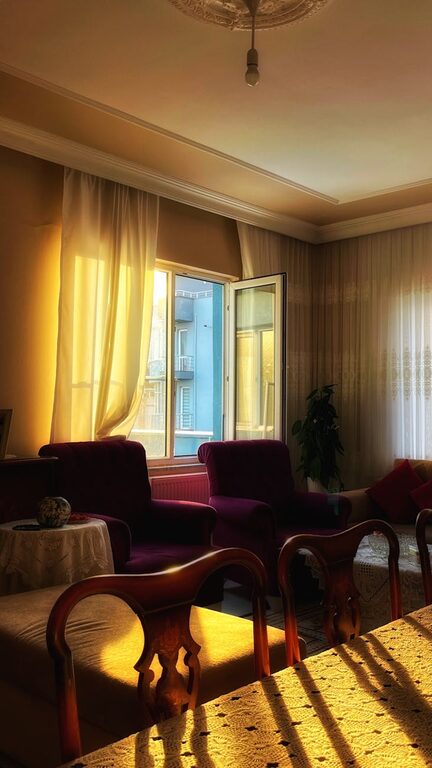

Creating a cozy and inviting home workspace is more important than ever. Whether you work remotely full-time, occasionally bring tasks home, or simply want a dedicated area for personal projects, having a space that feels comfortable and inspiring can greatly improve your focus and motivation. Here are practical tips to help you design a home workspace that combines comfort, style, and functionality.
Choose the Right Location
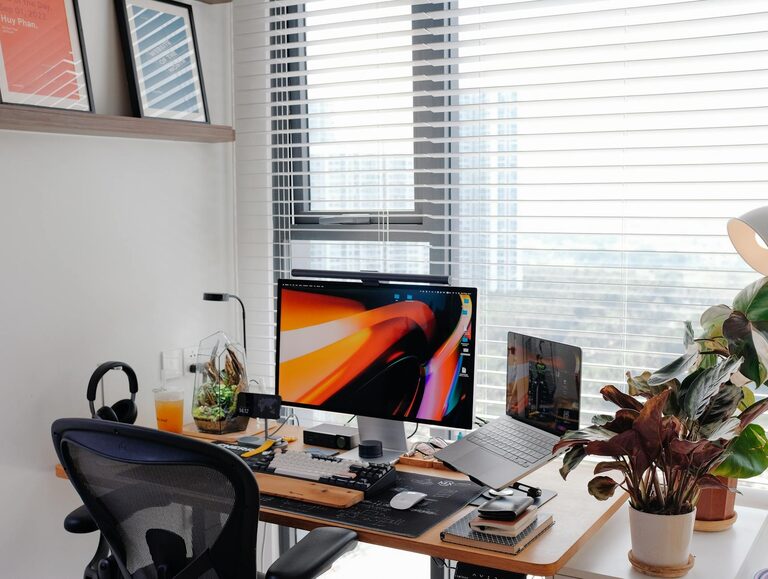
Start by selecting the best spot in your home for your workspace. Ideally, this should be a quiet area with minimal distractions. If possible, pick a space with natural light—near a window or a sunlit corner—as natural light helps improve mood and alertness.
If space is limited, consider a nook in your living room, bedroom, or even a hallway. Using room dividers or shelving units can create a sense of separation, turning an open area into a more defined workstation.
Invest in Comfortable Seating
Your chair is one of the most important elements to focus on. Spending hours sitting requires good ergonomic support to keep your posture healthy and reduce strain. Choose an office chair with adjustable height, lumbar support, and comfortable padding.
If investing in a specialized chair isn’t possible, use cushions or a lumbar pillow to improve your current seating. Remember, comfort is key to maintaining productivity without discomfort.
Optimize Lighting
In addition to natural light, ensure your workspace has adequate artificial lighting. Overhead lights paired with task lighting such as desk lamps can reduce eye strain and enhance focus.
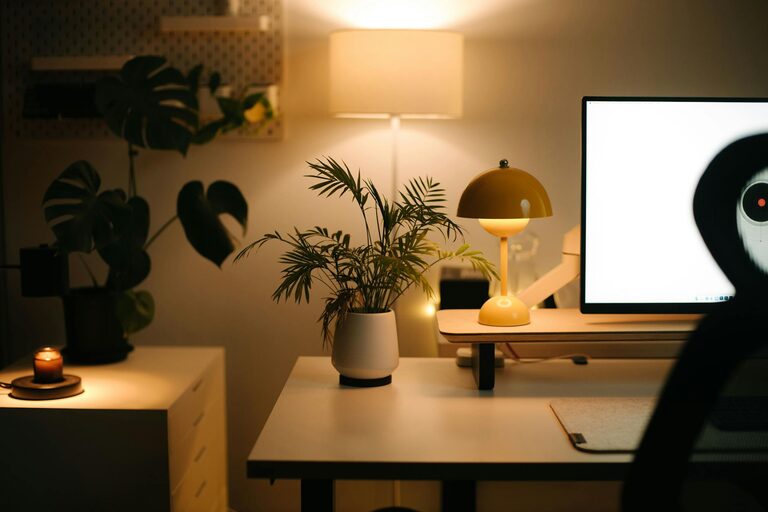
Choose warm-toned bulbs or adjustable LED lamps to create a cozy ambiance without harsh glare. Consider positioning your computer screen to avoid reflections from windows or lights.
Personalize Your Space
Adding personal touches makes your workspace inviting and uniquely yours. Consider including:
– Favorite artwork or photos
– Plants or small indoor greenery
– A cozy blanket or throw on your chair
– Inspirational quotes or notes
These elements can boost your mood and creativity while helping your space feel more welcoming.
Keep It Organized and Clutter-Free
A tidy workspace reduces distractions and increases productivity. Use storage solutions such as drawers, shelves, or baskets to keep supplies organized.
Adopt a simple filing system for documents, and regularly declutter your desk. Use cable organizers to keep cords neat and out of sight.
Choose a Functional Desk
Your desk should be large enough to accommodate your work essentials without crowding. If you prefer a minimalist setup, a smaller desk can work, but ensure you have enough space for your computer, notebook, and any other items you use daily.
Standing desks or adjustable desk converters are great options if you want to switch between sitting and standing throughout the day.
Incorporate Soothing Colors
Colors affect mood and productivity. Soft, neutral shades like beige, light gray, or pastel tones create a calm environment, while accents in blues or greens can be refreshing and help reduce stress.
Try to avoid overly bright or distracting colors in your immediate work area. If you love vibrant colors, consider adding them through accessories rather than painting walls.
Add Comfort with Textures
Textures contribute to the cozy feel of any space. Add a soft rug underfoot, cushions on your chair, or fabric organizers on shelves. These tactile elements create warmth and invite you to relax while working.
Manage Noise Levels
To maintain focus, consider your noise environment. If your home tends to be noisy, noise-canceling headphones or soft background music can help.
Alternatively, a white noise machine or app can mask disruptive sounds, creating a more peaceful atmosphere.
Set Clear Boundaries
Especially if your workspace is part of a common area, setting boundaries helps separate work time from home time. When you start your workday, consider rituals such as opening a curtain or turning on your desk lamp to signal the beginning of work.
At the end of the day, pack away work materials or close a door to mentally separate work from relaxation.
Regularly Refresh Your Workspace
Over time, make small changes to keep your workspace fresh and inspiring. Rotate artwork, bring in new plants, or rearrange furniture.
Regular updates prevent the space from feeling stale and keep you engaged with your environment.
—
By thoughtfully designing your home workspace with comfort, organization, and personal style in mind, you can create an area that encourages productivity while feeling welcoming and warm. Whether it’s a corner in your living room or a dedicated room, these tips will help you build a workspace that truly feels like your own little productivity haven.